 11
11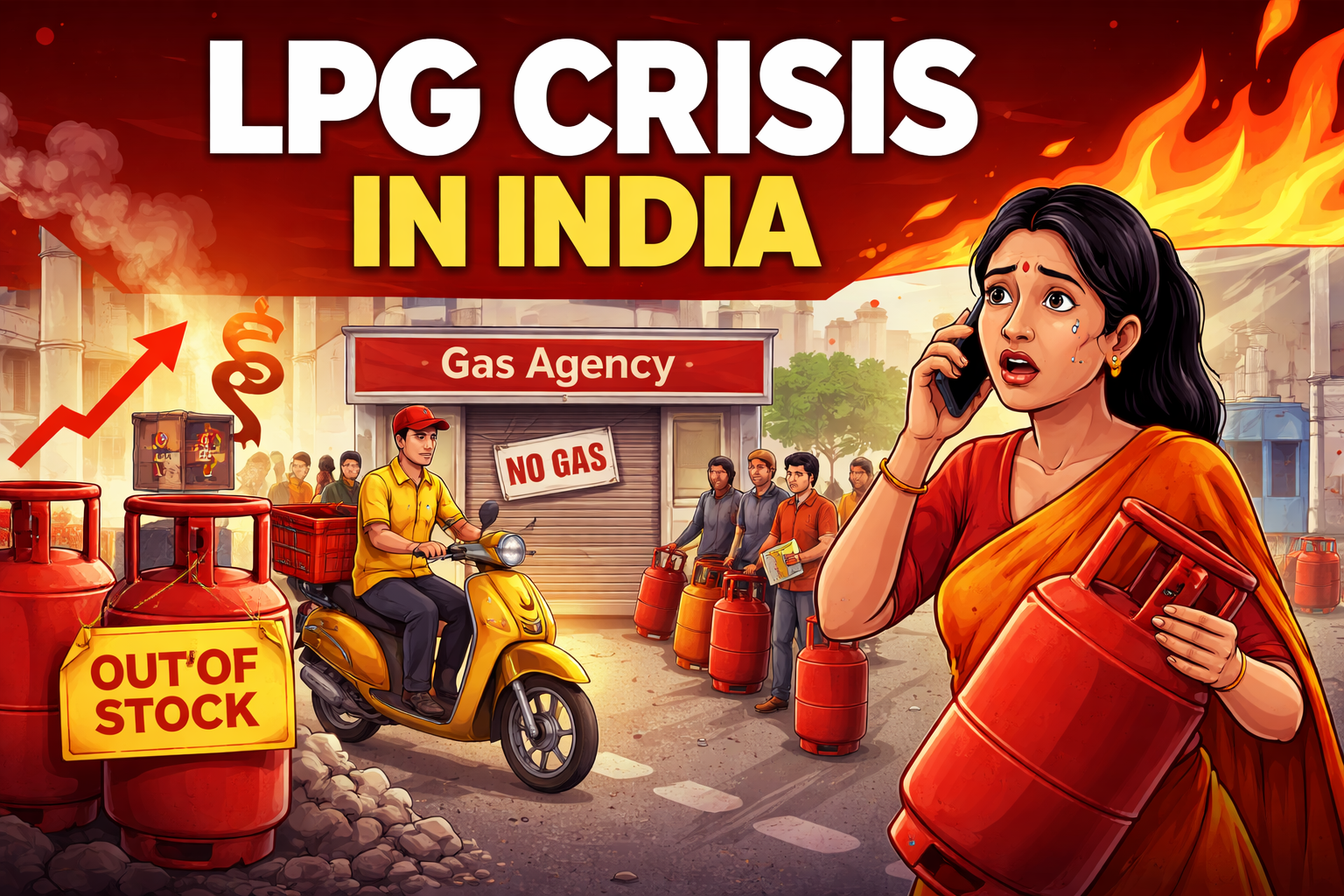
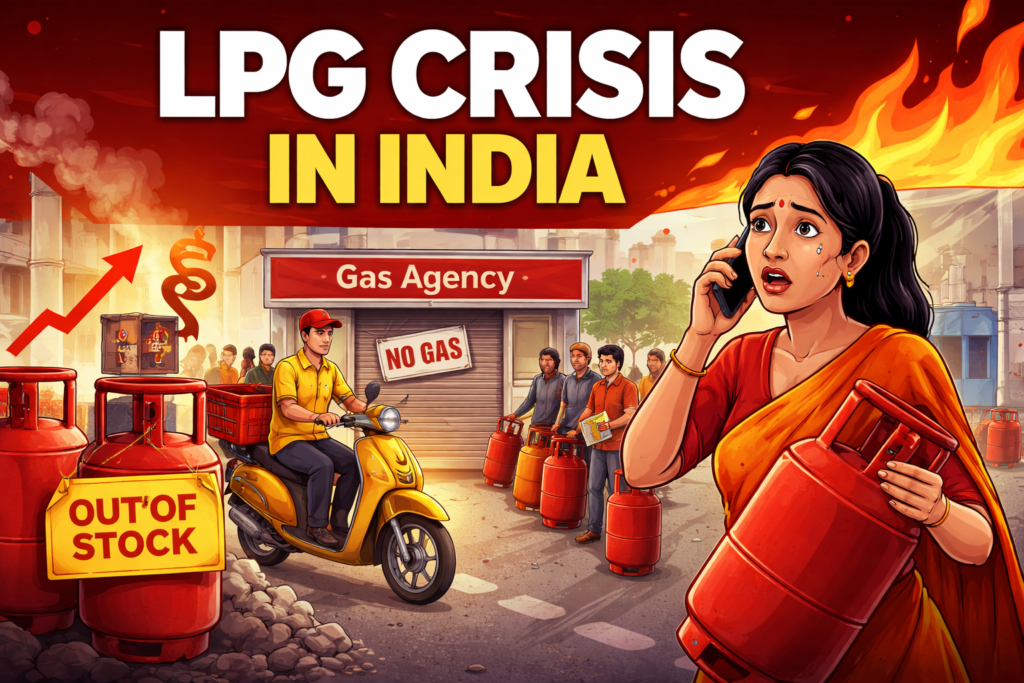
The LPG (Liquefied Petroleum Gas) crisis in India is not always visible in big headlines, but it quietly affects millions of households. From delayed cylinder deliveries to rising prices, the issue has become a part of everyday life.
In urban areas, people often manage with backup cylinders. But in small towns and rural regions, the situation can be more stressful. A single empty cylinder can disrupt an entire day sometimes even longer.
The problem is not just availability. It’s also about accessibility and affordability. Over the past few years, LPG prices have seen frequent increases. For middle-class families, it’s an adjustment. For low-income households, it’s a real burden.
Many families now think twice before using gas freely. Simple things like cooking multiple dishes or boiling extra milk are reconsidered. Some even switch back to traditional fuels like wood or coal — not by choice, but by necessity.
This shift not only affects convenience but also health, especially for women who spend long hours in the kitchen. Delays in delivery are a common complaint. During peak seasons or supply disruptions, waiting periods can stretch for days or even weeks. For families without a backup cylinder, this wait feels endless.
There’s also a sense of unpredictability. You never really know if your cylinder will arrive when promised.
And that uncertainty adds stress to something as basic as cooking. The LPG crisis does not affect everyone equally.
In cities, people may have more options — multiple distributors, quicker deliveries, and sometimes alternative solutions like electric cooking appliances.
But in rural areas, choices are limited. Supply chains are weaker, delivery systems are slower, and awareness about alternatives is still growing.
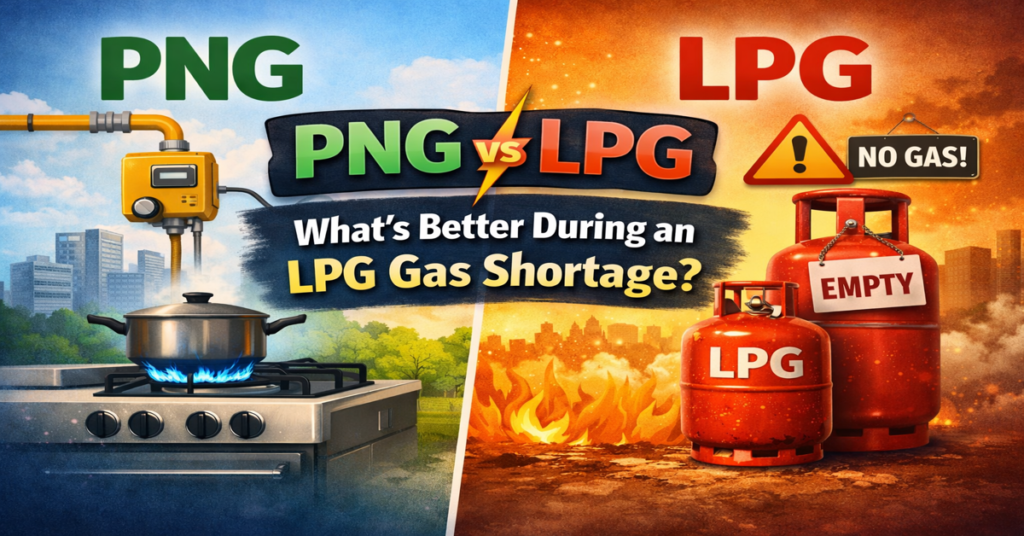
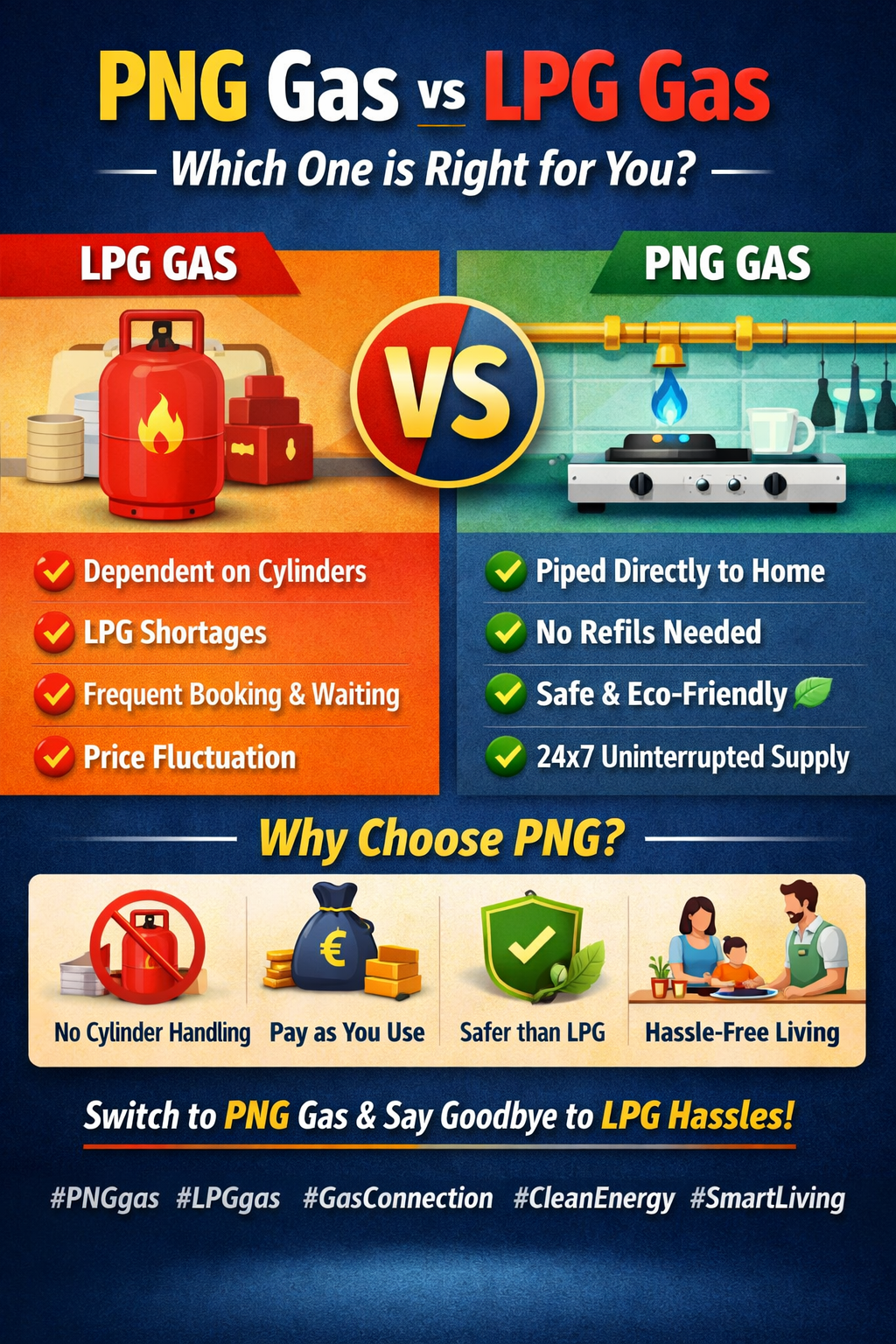
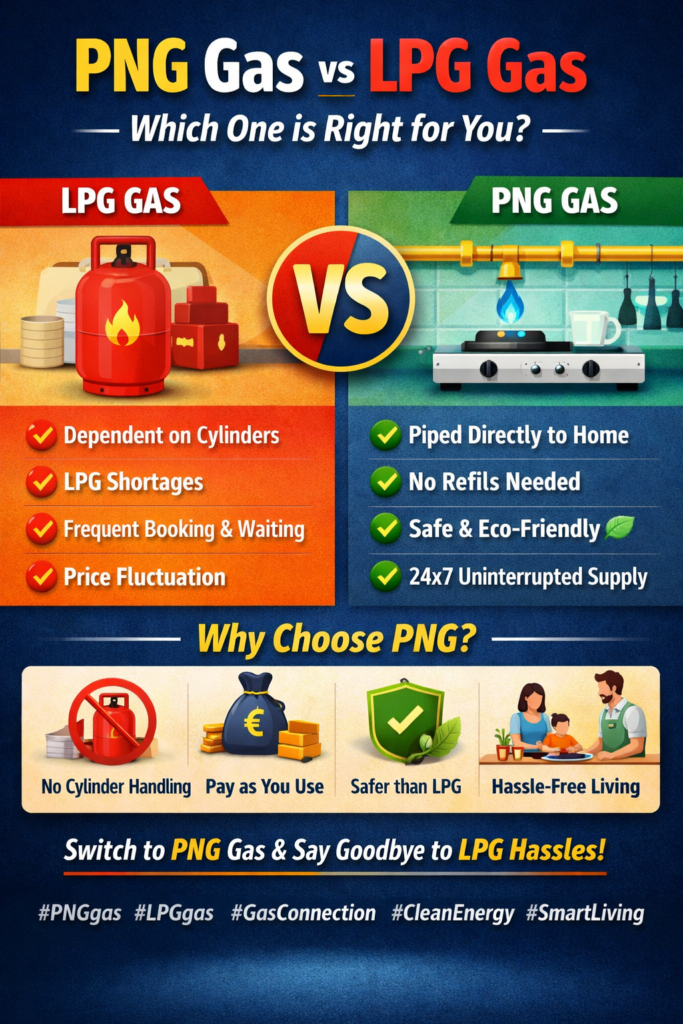
For many, LPG is not just a fuel — it’s a lifeline that isn’t always reliable. India is slowly exploring solutions. One of the most promising alternatives is PNG (Piped Natural Gas), which offers a continuous gas supply without the need for cylinders.
However, PNG is currently limited to urban areas. Expanding this infrastructure will take time.
In the meantime, improving LPG distribution systems, stabilizing prices, and ensuring timely delivery are critical steps. The LPG crisis is not just about gas. It’s about daily life, dignity, and basic comfort.
It’s about a mother worrying about how she’ll cook the next meal.
It’s about families adjusting their routines around something that should be simple and reliable.
Energy access is not a luxury — it’s a necessity.